关键词评述 三皇五帝是中国古代传说中的一段重要历史时期,被认为是中华文明的起源阶段。这一时期涵盖了从上古到夏朝初期的约5000年历史,其核心内容涉及早期社会的形成、部落联盟的建立、宗教信仰的萌芽以及文
2026-04-11 23:35:14 18

Introduction to Lhasa: A Comprehensive English Overview

Lhasa, the capital of the Tibet Autonomous Region in China, is a city that embodies a unique blend of ancient heritage and modern development. As one of the most important cultural and religious centers in the world, Lhasa is home to the world-famous Potala Palace, which is a UNESCO World Heritage Site. The city is also known for its rich Tibetan culture, with its distinct dialect, traditional festivals, and unique way of life. In recent years, Lhasa has undergone significant development, with new infrastructure projects and modernization efforts that have transformed the city into a vibrant and dynamic urban center.
Historical and Cultural Significance
Lhasa has a long and rich history, dating back over 2,000 years. It was once the capital of the ancient Tibetan kingdom and played a crucial role in the development of the region. The city is steeped in history, with many historical sites and cultural landmarks that reflect its past. The Potala Palace, built in the 17th century, is a symbol of Tibetan Buddhism and a testament to the city's cultural and religious significance. The city is also home to the Dalai Lama's residence, which is a key center for Tibetan religious and cultural activities.
Modern Development and Urban Landscape
In the past few decades, Lhasa has experienced rapid urban development. The city has expanded its infrastructure, with new roads, public transportation systems, and modern buildings that reflect the city's growing economic and social importance. The construction of the Lhasa Railway, which connects the city to major cities in China, has further enhanced the city's connectivity and economic opportunities. Additionally, the development of the Lhasa Economic and Technological Development Zone has attracted a significant amount of investment and talent, contributing to the city's growth and development.
Geographical and Environmental Features
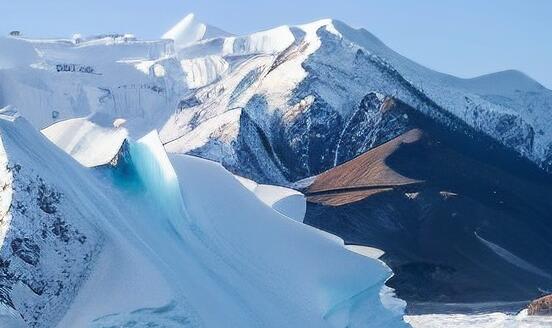
Lhasa is located in the Tibetan Plateau, one of the highest and most remote regions in the world. The city is situated at an altitude of approximately 3,650 meters above sea level, making it one of the highest cities in China. This high-altitude environment presents unique challenges and opportunities for the city's development. The city is surrounded by mountainous terrain, with the Himalayas to the north and the Tianshan Mountains to the south. The climate is generally cold and dry, with harsh winters and short summers. Despite these challenges, Lhasa has managed to develop a unique and resilient urban environment that is well-suited to its geographical conditions.
Education and Vocational Training in Lhasa
Lhasa is also a hub for education and vocational training in China. The city has several vocational schools and training centers that offer various programs in different fields, including but not limited to computer technology, engineering, and business management. These institutions play a crucial role in the development of the local workforce and the overall economic growth of the region. The education system in Lhasa is designed to meet the needs of the local population and to provide students with the skills necessary for future employment and career advancement.
Challenges and Opportunities
Lhasa faces several challenges in its development, including the need to balance economic growth with environmental protection, and to ensure that the benefits of development are shared among all residents. The city is also facing the challenge of maintaining its cultural heritage while promoting modernization. Additionally, the city must continue to invest in infrastructure and public services to support its growing population and to improve the quality of life for its residents.
Future Prospects and Development Plans
The future of Lhasa is promising, with a range of development plans and initiatives aimed at further enhancing the city's infrastructure, economic growth, and cultural preservation. The city is investing in new technologies and innovation to drive economic development and to improve the quality of life for its residents. Additionally, there are efforts to promote tourism and cultural exchange, which can help to bring more attention to Lhasa and to generate economic benefits for the local community.
Conclusion
Lhasa is a city that combines historical significance with modern development, and it is a unique place that offers a rich cultural experience and a promising future. As a key city in China, Lhasa plays an important role in the country's development and in the promotion of cultural and religious heritage. The city's unique characteristics, combined with its strategic location and economic potential, make it an attractive destination for both residents and visitors. As the city continues to develop, it will remain a vital part of China's cultural and economic landscape.
相关文章

关键词评述 三皇五帝是中国古代传说中的一段重要历史时期,被认为是中华文明的起源阶段。这一时期涵盖了从上古到夏朝初期的约5000年历史,其核心内容涉及早期社会的形成、部落联盟的建立、宗教信仰的萌芽以及文
2026-04-11 23:35:14 18

关键词评述 明清新叶古村是位于中国广东省佛山市顺德区的大良镇的一个历史悠久的古村落,以其独特的建筑风格、丰富的历史文化底蕴以及保留完好的传统生活方式而闻名。该村落始建于明代,至今已有近500年的历史,
2026-04-11 23:35:59 32

关键词 王评老皇历是近年来在中国市场兴起的一种传统节气预测和运势分析服务。其核心内容基于二十四节气和传统历法,结合个人生辰八字,为用户提供节气变化、运势走向、健康建议等内容。王评老皇历的推广与传播,反
2026-04-11 23:36:44 40

关键词评述 建筑工程专业是国家建设与发展的核心领域之一,涉及土木工程、结构设计、施工管理等多个方面。随着城市化进程的加快和基础设施建设的不断推进,建筑工程专业在就业市场中具有广泛的就业前景和较高的社会
2026-04-11 23:37:34 16

关键词评述: 戴斯蒙德·道斯(Dems)是美国政治人物,曾担任美国众议院议员,是美国历史上第一位女性众议院议员。她以推动性别平等、社会福利政策以及反种族歧视政策而闻名。在政治生涯中,她积极倡导女性权利
2026-04-11 23:38:30 45

关键词评述 龙岩洞,位于广东省肇庆市七星岩景区内,是珠江三角洲地区重要的地质与文化景观之一。龙岩洞以其独特的喀斯特地貌、丰富的历史文化底蕴以及自然与人文的完美结合,成为肇庆旅游的重要标志。龙岩洞不仅是
2026-04-11 23:39:26 35
关键词评述 万科企业股份有限公司(简称“万科”)是中国最具影响力的房地产开发企业之一,成立于1984年,总部位于中国广东省深圳市。作为中国房地产行业的领军企业之一,万科以“创造美好生活”为核心理念,致
2026-04-11 23:41:41 34

关键词评述 贺子豪(Hé Zǐháo)是中国当代教育领域的重要人物,以其在职业教育、终身学习、教育技术等方面的专业背景和显著成就而受到广泛关注。作为一位教育工作者,他不仅在学术研究上取得了突出成果,还
2026-04-11 23:42:32 20